



Quality Standards & Manufacturing Compliance
Quality Policy
We at Wikas Printing and Carriers Pvt. Ltd. are committed to delivering all our products on time, meeting stated customer requirements, and exceeding implied expectations.
As a team, we strive for total customer satisfaction by following the best industry practices and maintaining strong relationships with all our stakeholders. We conduct every business activity with honesty, respecting the organization’s ethics and values at all times.
Food Safety Policy
We are committed to manufacturing products that consistently meet or exceed consumer requirements and comply with all applicable regulations. Our business is built on the trust our consumers place in our products.
We earn that trust by manufacturing and distributing safe, high-quality products that meet high standards of customer satisfaction. This policy is understood, implemented, and maintained at every level of the organization.
Blade & Metal Policy
We have a duty to provide customers with safe, contaminant-free packaging material. This responsibility is a core company value.
Our blade policy controls the risk of broken blade fragments entering packaging material or causing injury. Blades in use must be secured in holders and positioned in a well-lit, controlled location. Blades must never be left loose or unattended anywhere in the plant, including around machinery.
Personal Hygiene Policy
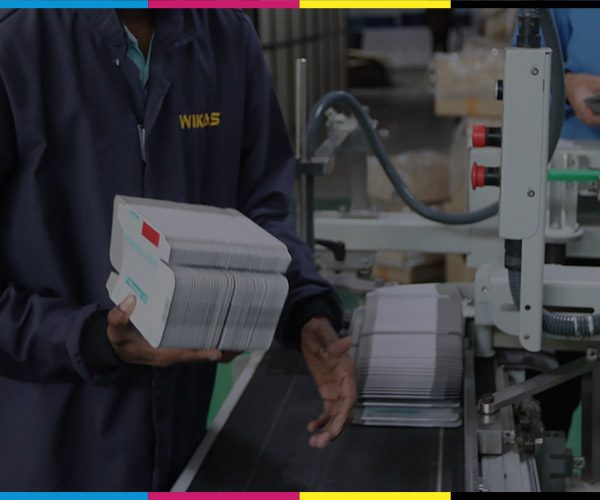
All personnel working in the production area are required to maintain a high standard of personal cleanliness. Fingernails must be kept clean and trimmed, and nail polish is not permitted in the inspection area. A protective hair cap must be worn in the inspection area at all times, with no hair exposed or extending from underneath it. Jewelry is restricted to prevent contamination.
Product Handling Policy
Eating, drinking, and chewing are not allowed in the production area. Spitting and smoking are also prohibited.
Do not place any material directly on the floor unless proper cleaning and sanitizing procedures have been carried out. If a product comes into contact with the floor, it must be treated as contaminated and placed in the scrap bin. Cardboard boxes or bags must not be placed on the floor — keep them on skids, racks, or pallets.
Glass Policy
Glass should be eliminated from all production areas wherever possible. Where glass cannot be avoided, it must be protected from breakage and prevented from contaminating the product. Glass may only be moved into or through a production area for maintenance or replacement.
A risk assessment determines potential product safety risks and sets an appropriate inspection frequency. Regular surveys are conducted across all production areas to check for glass breakage, recorded on a glass verification checklist. This checklist is reviewed and updated at least annually, or whenever conditions change.