Choosing the right paper cups is not simply about finding the lowest price. For a café, QSR, restaurant, caterer, hotel, office, or beverage brand, the right format should match the drink, serving method, holding time, quantity, and customer experience.
With different sizes, constructions, linings, and printing options available, it is easy to order something that looks suitable but does not perform as expected.
This guide covers the practical points worth checking before you place an order, helping you make a more informed purchasing decision.
1. Start With the Beverage You Serve
The first question is simple: what will go inside the paper cup?
Tea, coffee, and other hot beverages have different requirements from chilled drinks, juices, or cold coffee. Temperature, holding time, and how the drink is consumed can influence the most suitable construction.
For takeaway coffee that may remain in a customer’s hand for several minutes, insulation and comfortable handling become important. For a drink consumed shortly after purchase, the requirements may be different.
Rather than choosing a format first, begin with your menu and serving conditions.
2. Understand the Different Cup Constructions
The wall structure affects insulation, handling, and overall feel.
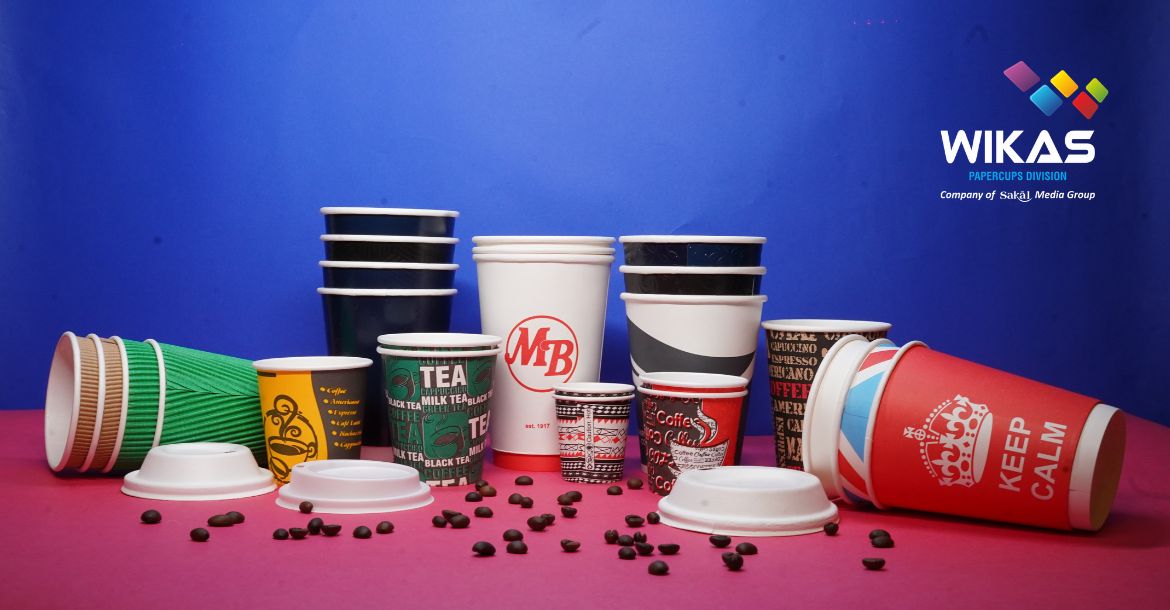
- Single-wall: One layer of paperboard makes this a straightforward option for many everyday applications. It can work well where shorter holding times are expected or where a sleeve is used for hot beverages.
- Double-wall: An additional paper layer that creates separation between the beverage and the outer surface. This can provide greater insulation and a more comfortable grip for hot drinks.
- Ripple-wall: A textured outer layer adds grip and another layer of insulation, making it suitable for applications where handling comfort is particularly important.
There is no universal choice. The suitable construction depends on the beverage, serving duration, handling conditions, and purchasing plan.
3. Select the Correct Capacity
Size should follow the actual serving volume rather than simply the size offered by a supplier.
Review your menu and identify the quantity served for each beverage. A small tea, regular coffee, large iced drink, and specialty beverage may each require a different capacity.
Also consider the usable fill level. Foam, ice, toppings, and headspace can affect the practical amount a customer receives.
If your menu includes several beverage sizes, maintaining a clear sizing system can make purchasing, storage, and daily operations easier.
4. Check the Lid and Rim Fit
Paper cups and lids should be treated as a complete serving system.
Before placing a large order, confirm that the lid fits the rim securely and works with the way your staff and customers use the product. A poor fit can result in spills, leakage, and unnecessary wastage during takeaway service.
If lids are part of your operation, test the complete combination with the actual beverage. Check the seal, opening, grip and stability before moving to a larger quantity.
5. Consider the Inner Lining
The inner barrier helps contain liquid and protects the paperboard from moisture.
Different applications may call for different lining technologies. Your supplier should clearly identify the material used and provide relevant food-contact information for the intended application.
Do not choose a product simply because it is described as sustainable or suitable for hot drinks. Ask for clear specifications and documentation that match your intended use.
For businesses with particular environmental or export requirements, confirm the applicable standards before finalising the order.
6. Decide Whether Printing Is Necessary
For many cafés, QSRs and beverage businesses, the cup remains visible throughout the customer’s journey.
If you require printed cups, consider how your logo, colours, text and artwork will appear at the actual serving size. Keep important elements readable and make sure they remain visible when the product is held.
For plain applications, consistency in appearance can still matter. Clean forming, neat finishing, and dependable print quality can contribute to a professional presentation.
The purpose of printing should be clear: make the product fit naturally into your brand and service experience.
7. Prepare the Right Information Before Ordering
If you are sourcing bulk paper cups, having the right details ready can make the quotation and production process much smoother.
Before contacting a supplier, prepare:
- Required capacity or size
- Wall construction
- Approximate quantity
- Plain or printed requirement
- Beverage application
- Lid requirement, if applicable
- Delivery location
- Expected ordering frequency
Clear information helps the supplier understand the requirement and recommend a suitable specification without unnecessary back-and-forth.
8. Look Beyond the Lowest Unit Price
A lower quoted price does not automatically mean lower overall purchasing cost.
Consider the complete supply equation: material specifications, consistency, forming quality, printing, packing, production capacity, and delivery reliability.
For high-volume operations, even a small quality issue can become significant when multiplied across thousands of units.
When comparing a paper cup manufacturer, ask what is included in the quoted specification rather than comparing only the final number.
A dependable supplier should be able to explain the product clearly, understand the intended application, and communicate production requirements before an order is confirmed.
9. Test Before Placing a Large Order
A sample can reveal things that a product photograph or quotation cannot.
Use the sample with the actual beverage, temperature, lid, and service method. Check for:
- Leakage
- Deformation
- Seam quality
- Rim finish
- Handling comfort
- Lid fit
- Overall appearance
If the product will be stored or transported for a longer period, also consider how it is packed and whether the outer packaging protects the units from moisture, dust, and damage.
Testing is particularly useful when introducing a new size, changing suppliers or developing a new printed design.
10. Choose a Supplier That Understands Your Application
The right supplier should do more than provide a quotation.
An experienced paper cup manufacturer should be able to discuss construction, capacity, material, printing, quantities, production requirements and delivery expectations with clarity.
This becomes increasingly important as a café, QSR, restaurant, caterer, institution or beverage brand grows. Your requirements may change as volumes increase, menus expand, or new locations are added.
A supplier that understands the application can help you define the specification correctly from the beginning.
The right paper cups should fit your beverage, service model, quantity, handling requirements and purchasing plan. Price matters, but it should be considered alongside consistency, suitability and supply reliability.
A thoughtful selection process can help reduce avoidable wastage, support smoother day-to-day service and provide customers with a more consistent experience.
Looking for the Right Supply Partner?
Call WIKAS Greencups for your paper cup requirements.
Share your required size, construction, quantity, and application with our team, and we can discuss a suitable solution for your business and bulk supply needs.
Frequently Asked Questions
Start with the actual beverage volume served at your outlet. Consider ice, foam, toppings, and headspace before confirming the final capacity.
The choice depends on temperature, holding time, and handling conditions. Single-wall formats may suit some short-service applications, while double-wall or ripple-wall options can provide additional insulation.
Choose printed formats when the cup is part of your brand presentation. Plain versions can be suitable when branding is not a priority or when a simple service format is preferred.
Ask about material specifications, construction, capacity, printing, food-contact suitability, sample availability, minimum order quantity, packing, production timelines, and delivery expectations.
Testing lets you assess the product under your real service conditions instead of relying only on photographs or specifications.